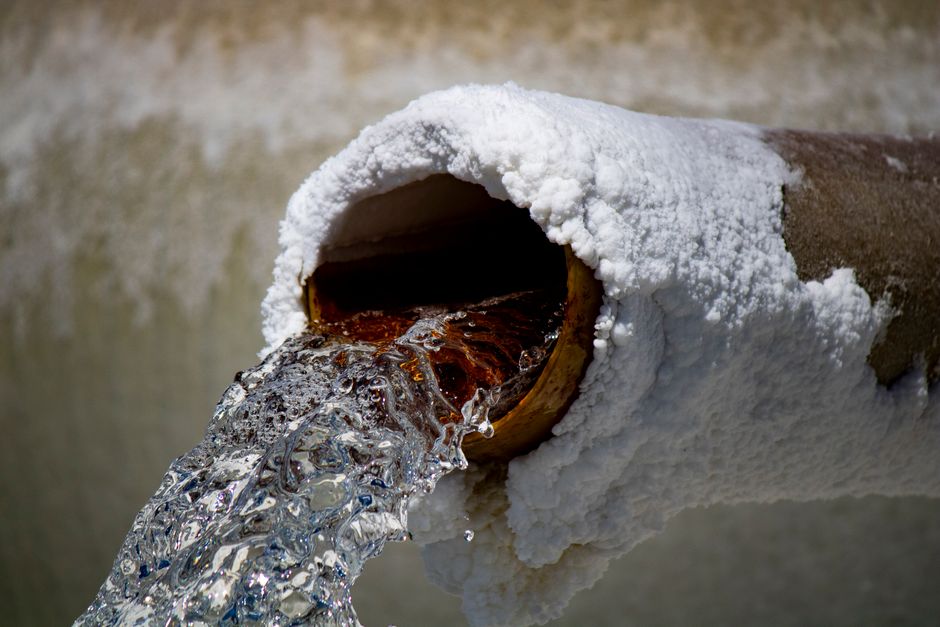
If you live in Fontana or anywhere across the Inland Empire and greater Los Angeles area, you have probably noticed the chalky white residue on your faucets, the cloudy film on glassware, and the stubborn spots on your shower door. Those are the visible signs of hard water. What you cannot see is what the same minerals are doing inside your pipes, water heater, and fixtures over the course of years.
Why Fontana's Water Is So Hard
Southern California draws much of its drinking water from the Colorado River and the State Water Project, both of which pick up significant amounts of calcium and magnesium as they travel. In Fontana and the surrounding communities, groundwater from the local aquifer adds to the mineral load. The result is water that consistently tests among the harder supplies in the country.
Hardness is typically measured in grains per gallon. Water above roughly seven grains per gallon is considered hard, and much of the Inland Empire regularly sits well above that threshold. For a homeowner, that means every gallon flowing through the plumbing carries a small deposit of minerals waiting to settle somewhere.
How Scale Builds Inside Your Pipes
When hard water is heated or sits still, dissolved calcium and magnesium precipitate out and cling to the inside surfaces of pipes. This buildup, called scale, starts as a thin coating and gradually thickens. Over time it narrows the interior diameter of the pipe, forcing your system to work harder to push the same amount of water through.
In galvanized steel and older copper lines, scale bonds tightly and can be difficult to remove without replacing sections outright. PEX and modern copper resist scaling better, but no residential material is immune when the mineral content is high and the water is hot.
The Real Cost to Your Water Heater
The water heater is usually the first appliance to suffer visible damage from hard water. Minerals settle at the bottom of the tank as sediment, insulating the burner or heating element from the water above it. That forces longer heating cycles, higher gas or electric bills, and premature wear on the tank itself.
Homeowners in hard-water regions often see water heaters fail years earlier than their rated lifespan. The popping or rumbling sound many people hear from an aging tank is often steam bubbles forming under a thick layer of hardened sediment. Once that layer takes hold, flushing alone may not fully restore performance.
Fixtures, Valves, and Appliances
Beyond pipes and tanks, hard water quietly shortens the life of nearly every fixture in the home. Faucet aerators clog and reduce flow. Toilet fill valves stiffen and stick. Shower heads develop uneven spray patterns as mineral deposits block individual jets. Angle stops under sinks can seize in place, making a simple repair unexpectedly complicated years later.
Dishwashers, ice makers, and clothes washers are affected as well. Their internal solenoid valves and small waterways are especially vulnerable to scale, and manufacturers routinely list hard water among the leading causes of premature appliance failure.
Warning Signs Worth Watching
Some symptoms of hard-water pipe damage are easy to miss until a repair becomes urgent. Reduced water pressure at a single fixture, or throughout the house, often points to scale accumulation. A water heater that takes longer to recover between showers, or that produces noticeably less hot water than it used to, is another common indicator.
Rust-colored staining, frequent pinhole leaks in copper lines, and recurring clogs at the same fixture also deserve attention. In Fontana homes built during the region's mid-century boom, aging galvanized supply lines combined with decades of hard water can create conditions where a small problem escalates quickly.
What Homeowners Can Do
The most effective long-term response is a whole-house water softener or a conditioning system suited to Southern California's specific mineral profile. A softener exchanges calcium and magnesium for sodium or potassium ions, preventing new scale from forming and, over time, allowing some existing buildup to soften and clear.
Even without a softener, a few habits help. Flushing the water heater on the schedule recommended by the manufacturer removes loose sediment before it hardens. Soaking aerators and shower heads in vinegar restores flow. Replacing angle stops and supply lines during other planned work keeps small parts from becoming stuck when you need them most.
Planning Your Next Step
Hard water damage is cumulative, which means the earlier a homeowner addresses it, the less it costs over the life of the plumbing system. If your Fontana or LA-area home has never had its water tested, or if you are noticing any of the warning signs above, a walkthrough with a qualified plumber is a reasonable place to start. A professional can assess the age and condition of your supply lines, inspect the water heater, and recommend whether a softener, a targeted repair, or a broader repipe makes sense for your situation.
Hard water is a fact of life in this part of California, but the damage it causes does not have to be. A little attention now can add years to your plumbing and spare you the cost of an emergency down the road.